
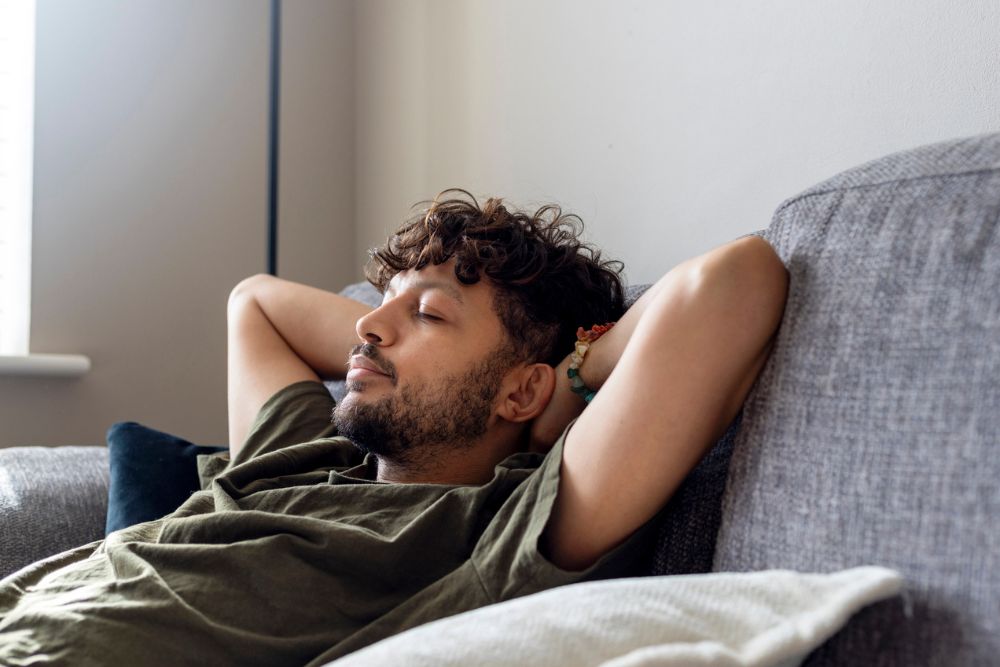
Recovering from addiction is a journey that requires commitment, patience, and intentional care for your mental, physical, and emotional well-being. One critical yet often overlooked part of recovery is relaxation. Stress and tension can be major triggers for relapse, making it essential to find effective ways to unwind and care for yourself during this transformative process. Relaxation is not just a luxury. It is a necessity that can help you build a strong foundation for long-term sobriety.
Why Relaxation Is Important in Recovery
Addiction takes a significant toll on the body and mind. The process of recovery is not only about breaking free from the physical dependence on substances but also about healing the emotional and psychological damage caused by addiction. Relaxation is a vital part of this healing process.
Physically, stress leads to an increase in cortisol, the hormone responsible for the body’s fight-or-flight response. Prolonged stress can weaken the immune system, increase blood pressure, and disrupt sleep patterns, all factors that can negatively impact recovery. Relaxation helps reduce stress hormones, allowing the body to repair itself and function optimally.
Mentally, recovery can be overwhelming for an individual navigating the challenges of breaking old habits, building new routines, and managing emotions. Relaxation practices such as mindfulness or meditation can improve focus, enhance mental clarity, and reduce anxiety.
Emotional health is also a crucial part of sobriety. Practicing relaxation helps regulate emotions, build resilience, and create a sense of inner peace, contributing to a more stable recovery journey.
Eight Ways to Make Relaxation Part of Recovery
Below are eight practical ways to incorporate relaxation into your daily life.
- Deep breathing exercises. Breathing exercises are one of the simplest yet most effective ways to relax. Deep, controlled breathing helps calm your nervous system and lower stress levels almost instantly. Techniques like diaphragmatic breathing or the 4-7-8 method involve inhaling deeply through your nose, holding your breath, and exhaling slowly. Practicing this for just a few minutes daily can reduce anxiety and improve focus.
- Mindfulness meditation. Meditation encourages you to focus on the present moment without judgment. This practice can help you break free from negative thought patterns and create a sense of calm. Guided meditations specifically designed for relaxation can be found online through apps such as Headspace and Calm. Just 10 to 15 minutes a day can make a big difference.
- Nature walks. Spending time in nature has been shown to lower stress and improve mental health. Walking in a park, forest, or along a beach allows you to disconnect from daily stressors and focus on the calming sights and sounds around you. Aim to incorporate regular walks into your routine, even if it is just 20 to 30 minutes a day.
- Yoga. Yoga combines physical movement, breathing exercises, and mindfulness, making it a powerful relaxation tool. Practicing yoga can help release tension in your body, improve flexibility, and promote a sense of inner balance.
- Creative outlets. Creative activities like painting, writing, or playing music can be incredibly relaxing. These outlets allow you to express emotions and positively channel your energy. Whether it is sketching in a journal, writing poetry, or learning a new instrument, creative activities can provide both relaxation and a sense of accomplishment.
- Warm baths or showers. A warm bath or shower can have a calming effect on your body and mind. Adding essential oils like lavender or listening to soothing music can enhance the experience. This simple self-care ritual helps relax your muscles, reduce stress, and create a sense of comfort.
- Practice gratitude journaling. Writing down things you are grateful for can shift your focus away from stress and negativity. Keeping a gratitude journal allows you to reflect on the positive aspects of your life and promotes a sense of peace and contentment. Try listing three things you are thankful for each day to cultivate a more relaxed and optimistic mindset.
- Listen to relaxing music or sounds. Music can be a powerful tool for relaxation. Whether it is soft classical music, calming acoustic tunes, or nature sounds like ocean waves and rain, creating a playlist of soothing sounds can help you unwind. Use this while lying down, during meditation, or even as background sound during the day.
Canyon Vista Recovery Can Help
If you or someone you love struggles with drug or alcohol addiction, you are not alone. Located in Mesa, Arizona, Canyon Vista Recovery Center has a team of dedicated professionals ready to provide you with the resources and tools you need to achieve sobriety and reclaim your life. Contact us today.