
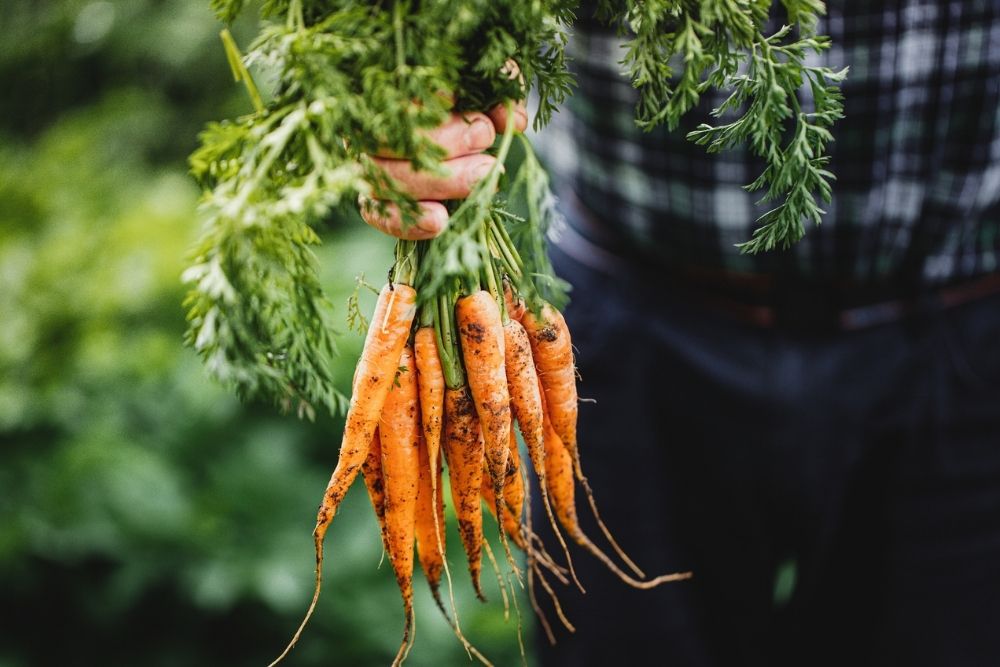
As you have been reading through our series of posts detailing how leaning into healthful eating can support your recovery from a substance use disorder, you may have found yourself wondering how best to go about increasing the amount of quality food you eat. After all, the typical American diet tends to lean toward foods that are convenient rather than healthy.
So, what can you do to improve your personal diet? We have two suggestions: gardening and cooking. Those are hardly radical ideas, but they have the potential to radically improve what you are eating on a day-to-day basis.
Before we continue, you can find the first four entries in this series here (hydration and breakfast), here (lunch and afternoon snacks), here (dinner and late-night snacks), and here (dangers of sugar). We also want to note that we are not nutritionists. If you are planning to make major changes to your eating habits, we suggest having a conversation with your doctor.
Get out Into the Garden
You might not guess it, but the fact is that gardening offers a lot of great benefits for a person in recovery from a substance use disorder. Among them, of course, is the opportunity to grow healthy foods that can boost the quality of what you eat. That would be reason enough to give it a go, but the additional benefits are real, too. Doing a little homework regarding what grows well in your area can help you plant things that are likely to succeed.
For example, gardeners benefit from getting out in the sun (though sunscreen is still a must), which can help with symptoms of depression as well as contribute to getting better sleep at night. Gardening is also exercise, and exercise supports your physical and mental health—and your recovery. Keeping a garden is also an opportunity to explore your creativity as you decide what to grow and how to lay out your plot. Adding flowers to the mix, for example, allows you to experiment with creating a beautiful as well as healthy space. You may find that gardening becomes an engaging hobby, which is good for your recovery as well.
But what if you do not have the space to plant a garden? Community gardens, container gardens, herb gardens, and more might be possibilities.
Want more information? We took a deeper dive into the benefits of gardening in recovery in this previous post.
Cook Up Something Healthy and Delicious
Whether you get your ingredients from the grocery store or your garden (or both), cooking can be a wonderful way to ensure that what you eat is good for you. Meals you make yourself are far less likely to have a negative impact on your well-being, the way that, say, heavily processed, convenience foods can. And even if you currently do not cook at all, the world is filled with every sort of cookbook you can imagine—and the internet is filled with recipes, too. With a little practice and patience, you can learn to cook.
Cooking, of course, means carving out some time each day (or committing to prepping in advance), but that time can be well worth it. That is true not only because the food that results will be healthier, but also because cooking can be a creative and satisfying act that supports your recovery efforts. Plus, you may have the opportunity to gather friends and family together—for the cooking, the eating, and even the cleaning up—which can help strengthen the essential relationships that often underpin recovery.
When you cook for yourself, you can also make a conscious effort to choose foods that might help curb cravings for drugs or alcohol, which can be particularly important in the early days of your recovery journey. We wrote more about those foods here.
One More Delicious Entry Remains
We will wrap up this series with a post that focuses on what sorts of foods you should choose when you are working to eat healthily. In a sense, it will be a wrap-up of all the things we have written about in this series; in another sense, it might serve as a sort of quick “cheat sheet” when you are trying to make choices in the moment.
Helping You Is Today’s (and Every Day’s) Special
Located in Mesa, Arizona, Canyon Vista Recovery Center helps individuals take back their lives from drugs or alcohol. A substance use disorder chips away at everything good about your life—including your physical and mental health, your relationships, your ability to work or go to school, and your hopes and dreams for the future.
Getting effective treatment—including medically supervised detoxification, a rehabilitation program designed to give you resources and resilience, and a commitment to ongoing support as you return to your daily life—is the single best way to reclaim your life and future. No matter how challenging things seem right now, we can help you make a transformational change for the better. We’re ready whenever you are.